Can you vote anywhere during early voting in Texas?
Lila Chen is an arts reporter with 5 years of experience writing for local publications like The Austin Chronicle and KUT. She has a degree in Art History from the University of Texas at Austin and loves exploring the intersection of culture and creativity.
More from Lila →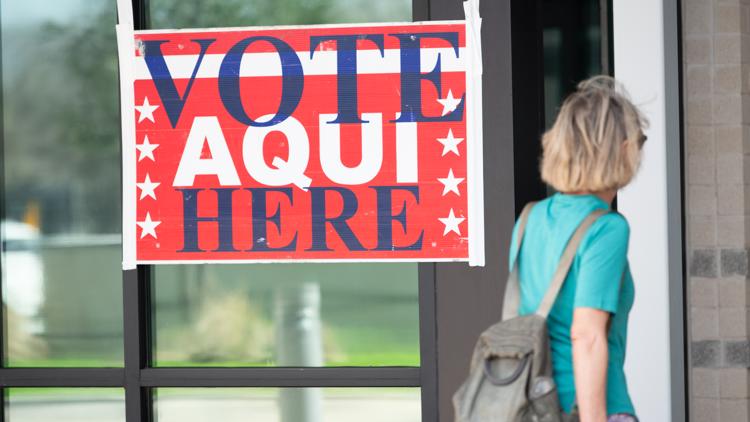
In a bustling city like Austin, where art and culture intertwine with civic engagement, the question of where to cast your vote during early voting becomes a pivotal moment for many. Picture a local artist, paintbrush in hand, taking a break from their canvas to stand in line, surrounded by neighbors eager to make their voices heard. This vibrant scene underscores a crucial point for every resident: polling places operate differently for early voting and Election Day, with procedures varying significantly based on a voter's specific location.
Understanding Texas's Voting Landscape
For those new to our vibrant Austin, understanding the rhythm of civic participation is key to truly planting roots here. While the act of casting a ballot is a cornerstone of our American dream, the 'how' and 'where' can vary significantly across the Lone Star State. This distinction is not merely a bureaucratic detail; it fundamentally impacts how citizens engage with their democratic rights.
The core principle is that polling places work differently for early voting and Election Day. This means that the convenience and accessibility voters experience can change depending on when they choose to cast their ballot. Furthermore, polling place operations depend on where a voter lives, highlighting the localized nature of election administration in Texas.
In Travis County, where Austin's heart beats, early voting offers a beautiful flexibility, allowing residents to cast their vote at *any* designated early voting location within the county. This approach is a testament to our community's commitment to accessible democracy, streamlining the process for busy individuals and families alike. This local policy stands in contrast to Election Day, when voters are typically restricted to their specific precinct polling place.
The impact of these varying procedures is profound: voters are directly affected, as the methods for casting their ballot will differ based on their location and whether they vote during early voting or on Election Day. This necessitates an understanding of local specifics to ensure a smooth and successful voting experience. The Texas Secretary of State's Elections Division provides comprehensive statewide guidance on these matters, which can be found at VoteTexas.gov.
The Heart of Civic Duty
For many, voting is more than just a civic duty; it’s a celebration of the diverse voices that shape Austin. Early voting, in particular, offers invaluable flexibility, allowing every resident, from the busy professional to the devoted artist, to participate in the democratic process without the constraints of a single day. Consider Maria Rodriguez, a beloved muralist in East Austin, who shared her experience.
“My studio hours are unpredictable, and Election Day can be tough to schedule around,” Rodriguez explained. “But with early voting, I can pop over to a nearby polling place between commissions. It’s empowering to know my voice counts, and the flexibility makes it possible.” Her sentiment echoes a broader community desire for accessible participation, ensuring that creative and professional commitments don't deter civic engagement.
A Legacy of Participation
Beyond individual stories, the act of voting often carries a deeper, generational significance. Take the example of the Millers, a couple who have called Austin home for over six decades. John and Eleanor Miller, married for 62 years, reminisced about their first vote together, infusing the act with a sense of history and shared commitment. “We’ve voted in every election since we were married,” Eleanor shared, her hand resting gently on John’s. “It’s a tradition, a promise we made to each other and to our country.”
Their enduring marriage and consistent participation serve as a powerful reminder of the values that build strong communities: commitment, responsibility, and a shared vision for the future. The ability to vote together, perhaps at a convenient early voting location, reinforces the importance of stable households and the American dream of active citizenship. Resources like the Texas State Historical Association offer insights into the rich history of civic participation in our state.
This journey of individuals navigating the voting process reveals the deeper connection between personal expression and civic responsibility. It underscores that democracy thrives when its citizens are informed and engaged, a principle championed by organizations like the League of Women Voters Austin Area, which works tirelessly for voter education.
Navigating Your Vote
Understanding the specific rules for your county is paramount. While Travis County offers county-wide early voting, other counties in Texas may have different regulations. The Travis County Clerk's Elections Division is the definitive source for local information, including early voting locations, dates, and voter registration status for our residents. Similarly, the Travis County Official Website provides broader governmental context.
For those seeking to verify their voter registration or find their Election Day precinct, online tools are readily available. It is always advisable to check these official sources well in advance of any election. The City of Austin Official Website also offers links and information pertinent to local elections and civic services, connecting residents to the broader governmental landscape.
Beyond the 'where,' voters should also be aware of identification requirements. Texas law mandates specific forms of photo identification for in-person voting, though alternatives exist for those who cannot reasonably obtain one. Detailed information on these requirements can be found on the VoteTexas.gov website, ensuring every eligible citizen can cast their ballot with confidence.
Looking Ahead: Sustaining Engagement
As our community continues to grow and evolve, so too does the importance of accessible and transparent election processes. The flexibility offered by early voting in Travis County is a model for fostering robust civic engagement. It empowers individuals from all walks of life – from artists to entrepreneurs, from young families to seasoned citizens – to fulfill their civic duty without undue burden.
Organizations like the Austin Chamber of Commerce often play a role in encouraging civic participation, understanding its link to a healthy, thriving community. Furthermore, understanding the legislative framework that governs our elections, accessible via the Texas Legislature Online, helps citizens grasp the broader context of voting rights and responsibilities.
Ultimately, the story of voting in Austin is a story of community, commitment, and the ongoing pursuit of a more perfect union. As the sun sets over the Texas Capitol, casting a warm glow on the bustling streets, each vote cast becomes a brushstroke in the vibrant mural of Austin’s democracy. It is a testament to the enduring spirit of our citizens, who, through their active participation, continue to shape the future of our beloved city and state. For those interested in broader civic education, resources like The University of Texas at Austin often host programs and research related to public policy and engagement. Ensuring ethical conduct in elections is also vital, with information available from the Texas Ethics Commission. Every vote truly matters, and every effort to make voting accessible strengthens the fabric of our society.