Could VIA transit services leave Converse? Voters will have final say in November
Lily is a graduate of the University of the Incarnate Word with a degree in Public Health and has been working as a reporter focusing on health issues in the community for over four years. She previously contributed to local health magazines and is passionate about improving public health awareness in San Antonio.
More from Lily →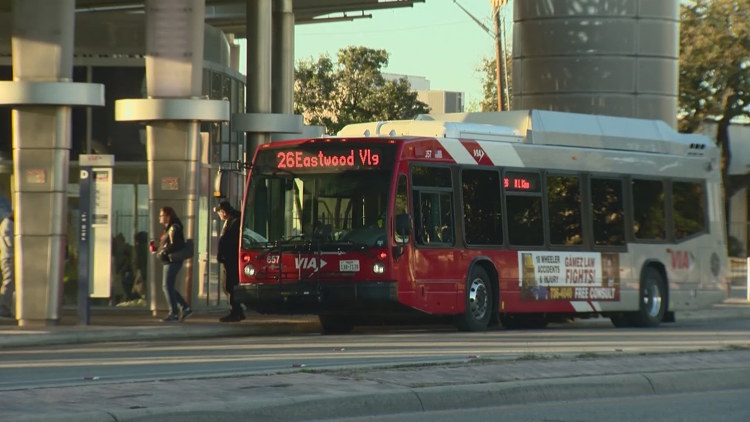
In this story
- What Happened
- Historical Ties and Financial Concerns
- Community Reaction and Concerns
- The Role of Faith and Family in Transit Decisions
- What’s Next for Converse?
- Converse’s Unique Community Identity and Its Impact on Transit
- The Faces Behind the Controversy
- What Happens After the Vote?
- Why This Matters to the Community
- Next Steps and Community Engagement
On a brisk autumn morning in Converse, families and seniors alike gather at the local bus stop, waiting for a transit service that has long been a staple of their daily lives. For decades, VIA Metropolitan Transit has been more than just a way to get around—it’s been a vital thread in the fabric of this tight-knit community. But now, a question looms over Converse’s future: could the city’s longstanding relationship with VIA come to an end?
What Happened
Converse, one of VIA’s original founding members since 1978, is reconsidering its transportation options amid rising costs and budget constraints. According to city officials, the decision to explore alternative transit solutions stems from a desire to reduce expenses and possibly improve service efficiency. The move comes at a time when many cities across Texas are reassessing their transit strategies to balance fiscal responsibility with community needs.
In recent months, Converse has initiated discussions regarding the potential withdrawal from VIA, a regional transit agency serving San Antonio and its surrounding suburbs. The city council has scheduled a vote for November, where residents will have the final say on whether to sever ties with VIA and pursue independent or alternative transit arrangements. This referendum has ignited a flurry of community debates, with some residents fearing disruption and others welcoming the chance for more localized control.
Historical Ties and Financial Concerns
VIA was established in 1978, with Converse joining as a founding city, reflecting a shared commitment to regional mobility. Over the years, VIA has provided affordable, comprehensive transit services that connect Converse residents to employment centers, schools, and healthcare facilities. However, in recent years, the rising costs of maintaining and expanding services have prompted some local leaders to question whether the current model remains sustainable.
Officials cite that the cost to Converse has increased significantly, with some estimates suggesting that the city could save hundreds of thousands of dollars annually by opting out of VIA. These funds could then be redirected toward developing a more tailored transit solution that better fits Converse’s unique community profile. Still, critics argue that cutting ties might lead to reduced service quality and limited connectivity, especially for those without private transportation options.
Community Reaction and Concerns
The prospect of leaving VIA has sparked diverse opinions among Converse residents. Longtime supporters emphasize the importance of regional cooperation and the convenience of VIA’s extensive network, which offers affordable fares and reliable service. “VIA has been a lifeline for many families here,” says Maria Lopez, a local grandmother who relies on transit to visit her grandchildren. “I worry that leaving might make it harder for seniors and low-income workers to get around.”
Conversely, some community members see this as an opportunity to develop a more customized transit system that could better serve local needs. Small business owners, for example, argue that a dedicated Converse transit service could boost local commerce by improving access to shopping and employment hubs. As the vote approaches, community forums have become lively arenas for debate, highlighting the importance of transit in maintaining the social and economic vitality of Converse.
The Role of Faith and Family in Transit Decisions
At the heart of this debate are families committed to building stable, thriving communities grounded in faith and mutual support. Many residents believe that a reliable transportation network is essential for maintaining strong marriages and nurturing the next generation. “A family’s ability to stay connected and support each other depends on accessible transportation,” notes Pastor James Carter of Converse’s First Baptist Church. “We must consider how our choices impact the fabric of our families and our community’s moral foundation.”
What’s Next for Converse?
The upcoming referendum will be a decisive moment for Converse’s future, with residents weighing the benefits of regional cooperation against the desire for local control. If the vote favors leaving VIA, the city will need to quickly develop alternative transit plans—possibly including partnerships with private providers or the creation of a municipal service. Conversely, a decision to stay with VIA would reaffirm the community’s commitment to regional unity and shared resources.
City leaders are emphasizing transparency and community engagement as they prepare for the vote. They encourage residents to consider how transit decisions align with long-term goals of economic growth, family stability, and community well-being. As Converse moves forward, the outcome will undoubtedly shape the daily lives of thousands and reflect the community’s values of faith, family, and commitment to a brighter future.
Converse’s Unique Community Identity and Its Impact on Transit
Converse is more than just a suburb; it’s a community with a distinct identity rooted in a diverse population that includes long-time residents, newcomers, and a growing number of young families. This blend of demographics influences how residents view transportation. Many have expressed concerns over whether a new system could adequately serve their needs, especially for seniors who depend heavily on public transit and for working-class families who rely on affordable options to reach jobs across San Antonio.
Local leaders have often highlighted Converse’s rapid growth over the past two decades, with new housing developments and commercial centers transforming the city’s landscape. This expansion has increased the demand for efficient transit, but also raised questions about maintaining affordability and accessibility.
Community activists, like Rosa Martinez, who has been a resident for over 30 years, emphasize the importance of preserving transit options that serve all socioeconomic groups. “We need a system that keeps everyone connected, not just those who can afford private transportation,” she says. Her advocacy underscores the community’s broader concern: how to balance fiscal responsibility with inclusivity.
The Faces Behind the Controversy
Several key figures have emerged as voices in this debate. Mayor Lisa Hernandez, a Converse native, has been vocal about exploring all options to ensure fiscal sustainability. She has stated that the city’s decision will be driven by what’s best for residents and their economic well-being.
On the other side, community leaders like Pastor Carter and local business owners advocate for a cautious approach, emphasizing the social importance of regional transit cooperation. They argue that a complete departure from VIA could isolate parts of the community and hinder economic growth.
Residents like Maria Lopez, who has relied on VIA for over a decade, worry about the potential disruption. “My children and grandchildren depend on this service,” she says. “I hope the community considers how vital transit is for families like ours.”
What Happens After the Vote?
If residents vote to leave VIA, Converse will face the challenge of establishing an independent transit system. This could involve partnering with private transportation companies, developing a city-run service, or even exploring innovative solutions like microtransit or on-demand shuttles tailored to local needs.
City officials have already begun exploring potential models. For instance, some are considering contracting with private firms that specialize in small-scale transit solutions, which could offer flexible routes and schedules that better serve Converse’s neighborhoods. Others are looking into creating a municipal transit authority that could operate with public funds, similar to systems in smaller Texas towns.
However, establishing a new system will require significant planning, funding, and community input. The city will need to apply for grants, allocate budget resources, and engage residents in designing services that are both affordable and accessible. This process could take several years, during which transit connectivity might temporarily decline, especially if no immediate replacement is in place.
On the other hand, if the vote favors remaining with VIA, Converse will continue to participate in the regional transit network, with ongoing discussions about service improvements and cost-sharing arrangements. Staying with VIA could also open doors for federal and state grants aimed at expanding transit options, especially for underserved populations.
Why This Matters to the Community
For Converse residents, the outcome of this vote is about more than just transit; it’s about community identity, economic stability, and social equity. Reliable transportation enables access to jobs, education, healthcare, and social services. It also fosters community cohesion by connecting families, seniors, and workers in a shared space.
The decision will also influence future development patterns, potentially affecting where new businesses open and where affordable housing is built. Local officials warn that a fragmented transit system could hinder economic growth and deepen inequalities if not managed carefully.
Next Steps and Community Engagement
Leading up to the November vote, city officials plan to hold a series of public forums, surveys, and informational sessions to ensure residents are fully informed. They emphasize that this is a community-driven process, and their goal is to develop a transit solution that reflects the diverse needs of Converse’s population.
Community organizations, faith groups, and local businesses are encouraged to participate actively. The community’s voice will be crucial in shaping the future of transit in Converse, whether through a continued partnership with VIA or a new, locally controlled system. The community’s resilience and unity will be tested as they decide which path best supports their shared vision of growth, stability, and faith-based values.