
Business
Evidence indicates parts of jet broke off before Florida crash that killed 9, investigators say
By Sofia Reynolds
Advertisement · Why this ad?
A graduate of Texas Tech University, Miguel has spent the last six years covering education issues for various Texas news outlets. His focus is on local schools and the challenges they face, advocating for transparency and community involvement.
More from Miguel →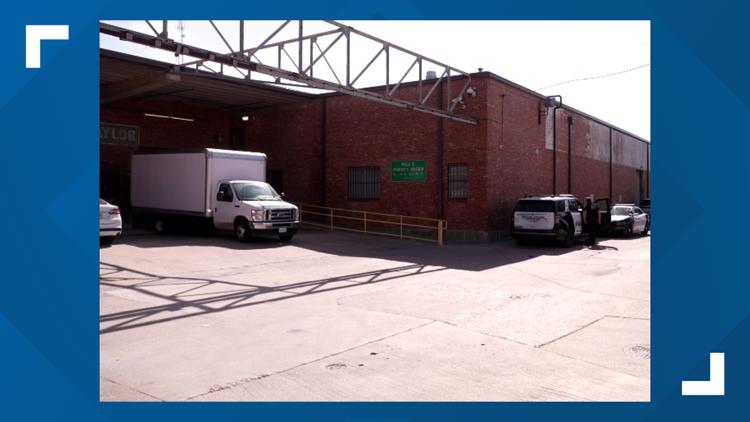
As the sun sets over Dallas, the city’s police officers finish their shifts, knowing they are returning to a facility that is bursting at the seams. The Dallas Police Department's Property Room, a critical hub for evidence storage, is facing a crisis that could impact the integrity of criminal investigations. With evidence piling up like a forgotten relic of past cases, the department finds itself at a crossroads, as voters weigh a $400 million bond proposal that could provide a solution.
The Dallas Police Department's Property Room has become a pressing issue for the city, with overcrowding affecting its ability to properly store evidence. This has raised concerns about the potential for mishandling or losing crucial items related to ongoing investigations. The facility, which has not seen significant upgrades in years, is struggling to accommodate the growing volume of evidence collected from crime scenes.
According to Chief of Police Eddie Garcia, the situation is dire. “We are at a point where we must address the inadequacies of our current facility,” he stated during a recent press conference. The department has been grappling with this crisis for some time, but it has now reached a tipping point. The bond proposal, if approved, would allocate funds specifically for improving the evidence storage capabilities and expanding the Property Room.
The evidence storage crisis is not just a logistical issue; it has real implications for public safety and justice in Dallas. As the city continues to grow, so does the volume of evidence collected by law enforcement. Each case can generate a multitude of items, from weapons and drugs to personal belongings that may hold significance in investigations. Without adequate storage, the risk of losing or improperly handling evidence increases, potentially jeopardizing cases.
In the last year alone, the Dallas Police Department processed over 40,000 pieces of evidence, a number that has steadily increased over the past decade. The current facility, designed to hold a fraction of that amount, is simply not equipped for the demands placed upon it. As a result, officers are forced to make difficult decisions about what to keep and what to discard, which could have long-term consequences for victims and their families.
Local residents are increasingly aware of the implications of this crisis. Many have shared their concerns about how evidence mishandling could affect their neighborhoods. Community activist James Thompson, who has worked with various local organizations, emphasizes the need for a robust police force that can effectively handle evidence. “When evidence is lost, it doesn’t just impact the legal system; it impacts our community’s trust in law enforcement,” he said. “We need to ensure that our police have the tools they need to do their jobs right.”
Voters in Dallas will soon have the opportunity to weigh in on the proposed $400 million bond, which aims to address not only the storage crisis but also a range of other infrastructure needs across the city. This proposal is part of a broader effort to modernize public safety facilities and ensure that law enforcement has the resources necessary to effectively serve the community.
City officials are advocating for the bond, emphasizing that a vote in favor will directly contribute to improved safety and justice for residents. “Investing in our public safety infrastructure is an investment in our community,” said Dallas Mayor Eric Johnson. The bond would fund not only the expansion of the Property Room but also upgrades to police precincts, emergency response facilities, and other critical infrastructure.
As the bond proposal heads to the ballot, community members are expressing a mix of support and concern. Many residents understand the importance of adequate evidence storage and the potential impact on crime rates and public safety. However, some are wary of the proposed cost and how it will affect their property taxes.
Local business owner Maria Gonzalez shared her thoughts: “I want to feel safe in my neighborhood, and I know that means supporting our police. But I also worry about how this bond will impact my family’s finances.” This sentiment is echoed by others who feel the weight of rising costs in a city that is already grappling with housing affordability.
To address these concerns, city officials are actively engaging with the community through town hall meetings and informational sessions. These events aim to provide transparency about the bond proposal and clarify how the funds will be utilized. During one such meeting, held at a local community center, residents were encouraged to voice their questions and concerns directly to city planners and police officials.
“It’s important for us to hear from the community,” said Deputy Chief of Police Laura Rodriguez. “We want to ensure that everyone understands the necessity of this bond and how it can help us serve them better.” The engagement efforts also include outreach through social media platforms and local news channels to reach a broader audience.
The implications of the overcrowding crisis extend beyond the police department; they ripple through families and communities. When evidence is mishandled or lost, it can lead to wrongful convictions or acquittals, undermining the judicial process. For families of victims, the stakes are even higher. The inability to properly secure evidence can prolong their suffering and delay justice.
For instance, consider the case of a family whose loved one was a victim of a violent crime. If crucial evidence is lost due to inadequate storage, it could mean the difference between a successful prosecution and a case that falls apart. The emotional toll on families waiting for justice is immense, and the community bears witness to the fallout.
As the bond proposal approaches the ballot box, the future of the Dallas Police Department's Property Room hangs in the balance. If approved, the funding could lead to a significant overhaul of the facility, providing the necessary space and technology to securely store evidence. This would not only enhance the department's operational efficiency but also restore public confidence in the justice system.
In the coming months, city officials will be working closely with community leaders to ensure that residents understand the importance of this investment. Town hall meetings and informational sessions will be held to discuss the potential benefits of the bond and how it will impact the community at large.
The time for action is now. Residents are encouraged to educate themselves about the bond proposal and participate in the upcoming vote. Engaging in discussions about public safety and infrastructure is vital for the future of Dallas. By supporting the bond, voters can take a stand for a safer community and a more effective police force.
As the city of Dallas navigates this critical juncture, the hope is that voters will recognize the importance of investing in public safety. The future of the Dallas Police Department's Property Room—and the safety of the community—depends on it.
By Sofia Reynolds

By Richard “Rick” Lane

By Richard “Rick” Lane
By Lydia G. Escobar