Community
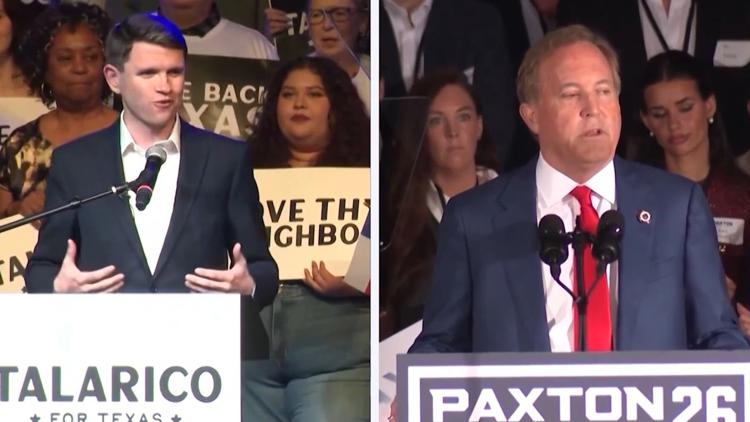
Election 2026: James Talarico, Ken Paxton battle for US Senate seat; Here's where they stand on issues
By Lily Nguyen
Advertisement · Why this ad?
Monica Ramirez has over 15 years of experience in journalism, holding positions at the San Antonio Express-News and Texas Public Radio. She graduated from the University of Texas at Austin with a degree in Journalism and has a passion for uncovering community stories that often go untold.
More from Monica →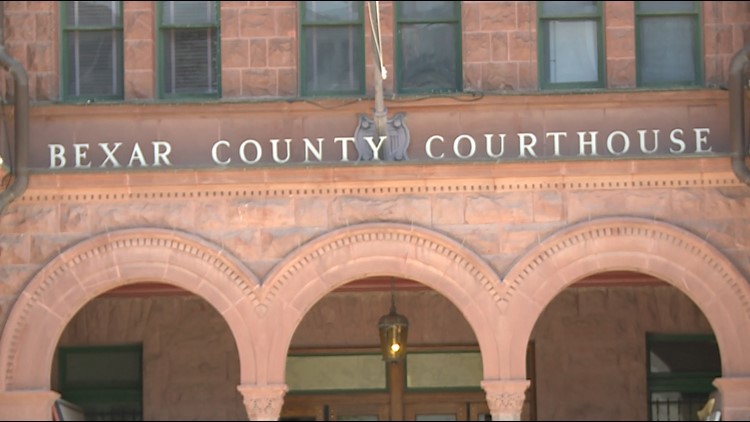
As the sun sets over the vibrant streets of San Antonio, the air is thick with anticipation. In the heart of the city, residents gather at a local coffee shop, exchanging thoughts on the upcoming election that could reshape the future of Bexar County's justice system. Among the chatter, one question looms larger than the rest: Who will succeed Joe Gonzales as Bexar County's district attorney?
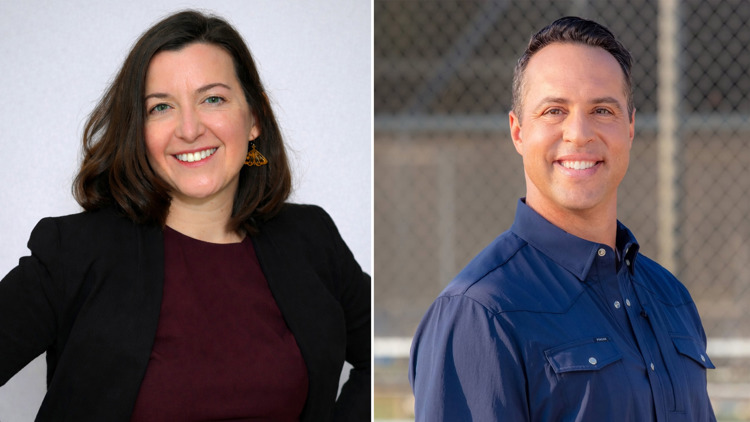
With Joe Gonzales announcing his decision not to seek reelection in 2026, the race for the district attorney's office is heating up. Three candidates have stepped into the ring: Ashley Foster, Luz Elena Chapa, and Jason Wolff. Each brings a unique perspective and vision for the role, promising to address the pressing issues facing Bexar County.
Ashley Foster, a former prosecutor with a passion for criminal justice reform, emphasizes her commitment to community engagement and transparency. Luz Elena Chapa, a seasoned attorney with a focus on family law and social justice, aims to bring a compassionate approach to prosecution. Meanwhile, Jason Wolff, known for his tough stance on crime, advocates for stricter enforcement and accountability within the system.
The election is set to take place on March 3, 2026, and with the stakes high, the candidates are already ramping up their campaigns, engaging with voters, and outlining their platforms. The district attorney plays a crucial role in shaping the community's safety and justice, making this election one that will undoubtedly impact the lives of many.
Each candidate has their own story and vision for Bexar County, reflecting the diversity and complexity of the community they seek to serve. Ashley Foster, who has dedicated her career to advocating for victims' rights, believes that a strong relationship between the community and law enforcement is essential. In her words, "We need to ensure that every voice is heard and that justice is accessible to all."
On the other hand, Luz Elena Chapa is passionate about addressing systemic issues within the legal system. She has a rich background in family law and has worked with various nonprofits to support underprivileged families. Chapa states, "My goal is to create a justice system that prioritizes rehabilitation and support, rather than just punishment."
Jason Wolff brings a different approach to the table, advocating for a more stringent approach to crime. With a background in criminal defense, he believes that accountability is key to maintaining public safety. Wolff asserts, "We must hold offenders accountable to protect our communities and ensure that justice is served."
As these candidates prepare for the election, they are not just competing for a position; they are vying for the trust and confidence of the Bexar County community. Each candidate's platform reflects their understanding of the unique challenges facing the county, from rising crime rates to the need for reform in the judicial process.
The district attorney's office plays a pivotal role in shaping the community’s response to crime and justice. Residents of Bexar County are keenly aware that the next district attorney will influence policies related to prosecution, diversion programs, and community safety initiatives. The impact of this election extends beyond the courtroom and into the lives of families and individuals throughout the county.
Many community members are actively engaging in discussions about the candidates and their platforms. Local organizations are hosting town halls and forums, providing a space for voters to ask questions and express their concerns. The Bexar County Democratic Party, for example, is facilitating conversations around the importance of electing a district attorney who prioritizes justice and equity.
Moreover, the demographic landscape of Bexar County is evolving, with a growing population of diverse backgrounds and experiences. This diversity adds layers of complexity to the candidates' platforms and the issues they must address. For instance, communities of color and lower-income neighborhoods often face disproportionate impacts from crime and the justice system. Engaging these communities is crucial for candidates, as they seek to build trust and demonstrate their commitment to equitable justice.
As the election date approaches, each candidate is strategizing on how best to connect with voters. Foster has been seen at community events, sharing her vision for a more inclusive justice system. Chapa is focusing on outreach to marginalized communities, emphasizing her commitment to social justice. Wolff is appealing to those who prioritize law and order, showcasing his tough-on-crime stance.
With the election less than a year away, debates and forums will be crucial for candidates to articulate their visions and differentiate themselves. Voter engagement will be vital, as the outcome will ultimately depend on who can effectively communicate their message and resonate with the community's needs.
In addition to traditional campaigning, candidates are also leveraging social media to reach a broader audience. Platforms like Facebook, Twitter, and Instagram are becoming essential tools for candidates to share their messages, connect with younger voters, and respond to real-time issues affecting the community. The use of digital platforms allows for a more interactive dialogue between candidates and constituents, fostering a sense of community engagement.
For residents looking to educate themselves about the candidates and the election process, several resources are available. The Bexar County official website provides information on voter registration, polling locations, and upcoming events related to the election. Additionally, organizations like the Bexar County Democratic Party and Bexar County Republican Party offer insights into the candidates' platforms and positions.
Voter education is essential, and local libraries and community centers are hosting informational sessions to ensure that everyone has access to the information they need to make informed decisions. Engaging with these resources can empower residents to take an active role in shaping the future of Bexar County.
Furthermore, grassroots organizations are also mobilizing efforts to ensure that underrepresented communities have a voice in the electoral process. Initiatives aimed at increasing voter turnout among young people and communities of color are being prioritized, as these groups often face barriers to participation. By creating accessible avenues for engagement, these organizations are working to ensure that every resident's voice is heard in the upcoming election.
As Bexar County prepares for the 2026 election, the community stands at a crossroads. The choice of the next district attorney will have lasting implications for justice, safety, and the overall well-being of families in the area. Voters are encouraged to consider the candidates' values, their commitment to the community, and their vision for a just and equitable legal system.
In a time when the importance of strong families and community ties cannot be overstated, the next district attorney will play a vital role in fostering a safe environment where families can thrive. As the campaigns unfold, it is crucial for residents to remain engaged, ask questions, and make their voices heard. The future of Bexar County is in their hands.
By Lily Nguyen
By Monica Ramirez

By Lily Nguyen
By Lily Nguyen