League City begins disabling Flock cameras after voters rejected automated license plate readers
Tasha Williams, a graduate of Texas A&M University, has covered local sports for over 8 years at various Houston outlets, including KHOU. Her passion for grassroots athletics brings a unique perspective to high school and community sports reporting.
More from Tasha →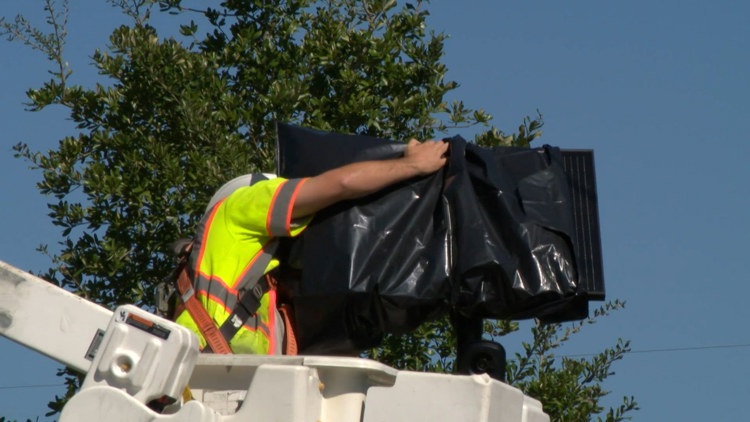
In this story
On a bright Thursday morning in League City, the hum of heavy machinery was a stark contrast to the quiet determination of local residents. As community members gathered near the bustling intersections, public works crews carefully removed 55 Flock cameras that had been watching over their streets. This moment marked a significant turning point for a city that had recently faced a clear message from its voters: they wanted their privacy back and were not interested in automated license plate readers (ALPRs) encroaching on their daily lives.
What Happened: The Removal of Flock Cameras
In a decisive move, League City officials began disabling and removing the Flock Safety cameras installed along key roadways. The cameras, which are designed to record license plates and assist law enforcement in crime prevention, had become a point of contention after residents voiced concerns over privacy and government overreach. The decision came after a public referendum where voters overwhelmingly rejected the use of ALPR technology, signaling a strong community desire for greater privacy protections.
These cameras, funded initially by local grants and city budgets, had been part of a broader effort to bolster public safety. However, many residents felt that the surveillance was intrusive and that it risked creating a Big Brother environment that conflicted with their values of faith, family, and personal freedom. The city’s decision to remove the cameras underscores a community that values its right to privacy while still seeking effective ways to keep neighborhoods safe.
Community Voices and Concerns
Local residents, faith leaders, and community advocates played a pivotal role in shaping the outcome. Many expressed their appreciation for the city’s responsiveness, emphasizing the importance of protecting families from unnecessary government intrusion. One longtime League City resident, Maria Lopez, shared, “We trust our law enforcement, but we also believe in the right to privacy. We want to feel safe without feeling watched all the time.”
Maria Lopez, a mother of three and active member of the League City Baptist Church, has long been vocal about her concerns over surveillance technology. She recalls attending city council meetings where residents voiced fears that constant monitoring could erode civil liberties, especially for vulnerable populations such as children and seniors. Her community, like many others in the Houston suburbs, has a history rooted in faith-based values and a cautious approach to government intervention. The removal of these cameras is seen as a victory for residents who prioritize personal privacy and community trust.
City officials have acknowledged that while the cameras served a purpose, the community’s voice must come first. The vote reflected a broader national conversation about the balance between security and civil liberties, a debate that resonates deeply in communities built on strong families and faith-based values. The removal of these cameras is seen by many as a reaffirmation of the community’s commitment to these principles.
What’s Next for League City
Looking ahead, League City officials are exploring alternative safety measures that respect residents’ privacy while maintaining effective law enforcement strategies. Discussions are underway about investing in community policing initiatives, neighborhood watch programs, and increased officer presence in areas where crime rates are a concern. The city’s leadership emphasizes that safety remains a top priority, but it must be achieved without compromising the community’s core values.
Mayor Mark B. Smith, who has been a vocal supporter of community-led safety measures, stated, “Our goal is to keep our neighborhoods safe without infringing on the rights and freedoms that make League City a special place to live. We are committed to finding solutions that reflect our community’s values.” His leadership has been instrumental in fostering dialogue and transparency throughout this process.
Moreover, this decision has sparked a broader dialogue across the Houston area about surveillance, privacy, and the role of technology in public safety. Community leaders and residents are calling for transparent policies and greater accountability in how surveillance tools are used. League City’s experience serves as a reminder that technology must serve the people, not the other way around, especially in communities that cherish their families, faith, and freedom.
Community Engagement and Future Initiatives
The city plans to hold public forums and workshops to educate residents about safety initiatives and gather feedback on future strategies. These efforts aim to strengthen community trust and ensure that residents feel empowered to participate in shaping their neighborhood’s security policies. Local churches, schools, and civic organizations are expected to play a vital role in these outreach efforts, emphasizing the importance of community cohesion and shared responsibility.
Additionally, League City is exploring partnerships with local nonprofits and faith-based organizations to develop programs that promote neighborhood safety through non-surveillance methods. For example, some churches have already begun organizing neighborhood watch groups, emphasizing personal relationships and community accountability over technology.
As the city moves forward, it aims to foster a sense of trust and partnership between residents and law enforcement. The removal of the Flock cameras is more than a technical update; it’s a reaffirmation of the community’s right to self-determination and the importance of safeguarding the values that make Houston’s suburbs unique and resilient. The community’s voice has spoken loud and clear, and League City is listening.
Implications for Broader Policy and Community Values
This local decision echoes a larger trend across Texas and the nation, where communities are reevaluating the role of surveillance technology. The League City case offers a blueprint for other municipalities grappling with similar questions about privacy and security. It highlights the importance of community engagement and democratic processes in shaping public safety policies.
For residents like Maria Lopez and others who participated in the referendum, this victory reinforces their belief that communities should have a say in how their streets are monitored and protected. It also raises questions about the future use of surveillance technology and the need for clear regulations that protect civil liberties without compromising safety.
As League City continues to navigate these challenges, it remains committed to balancing innovation with tradition, security with privacy, and governance with community values. The city’s experience underscores that effective safety policies must be rooted in transparency, accountability, and respect for individual rights—principles that resonate deeply in this close-knit, faith-oriented community.