Community
Gas prices reach record high for an Election Day
By Lila Chen
Advertisement · Why this ad?
Dylan Carter covers the rapidly evolving tech scene in Austin, with a focus on startups and innovation. He graduated from Texas A&M University and has previously written for the tech section of the Houston Chronicle for over 8 years.
More from Dylan →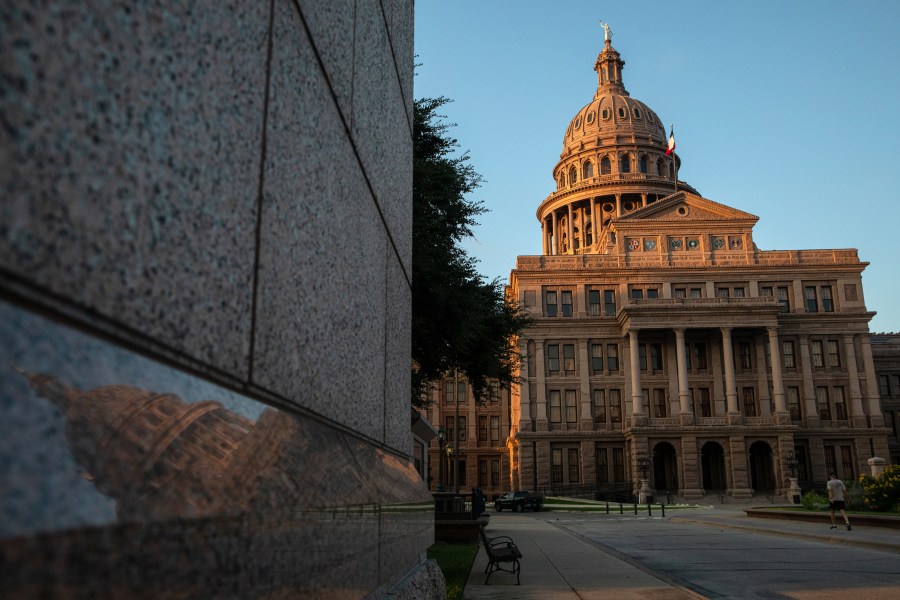
As the sun sets over the Texas State Capitol, the air is thick with anticipation. Families gather around their kitchen tables, eyes glued to their screens, awaiting the live updates from the Texas State Senate and House elections on November 3, 2026. This isn’t just another election; it’s a pivotal moment that will shape the future of Texas communities for years to come. With every click, voters are not just looking for numbers—they are seeking the direction their state will take on issues that matter most to their families.
The Texas State Senate and House elections on November 3, 2026, mark a significant turning point in the political landscape of the Lone Star State. With all eyes on the interactive results maps, voters are eager to see how their choices will influence state policies on education, healthcare, and public safety. The stakes are high as both chambers are up for grabs, and the outcome will determine the legislative agenda for the next two years.
As the results begin to pour in, the atmosphere is electric. Interactive maps display real-time updates, showing which candidates are leading in various districts across Texas. Voters can track their local races, see how their neighbors voted, and understand the broader implications of these elections. This level of engagement empowers citizens, allowing them to feel connected to the democratic process.
The Texas Secretary of State has made it easy for residents to access these live results through an online platform that provides detailed information on each race. As of 8 PM, early voting numbers have already been reported, and the excitement is palpable. With a projected turnout of over 60%, the community is clearly invested in the future of their state.
The response from the community has been overwhelmingly positive. Local families, civic organizations, and schools have rallied together to encourage voter participation. The Austin Chamber of Commerce has been particularly active, hosting forums and discussions to inform citizens about the candidates and their platforms.
“It’s crucial for us to understand who we’re voting for and what they stand for,” said Maria Gonzalez, a local teacher and mother of three. “These elections will affect my children’s education and our community’s resources. I want to be informed and make the best choice for my family.”
Grassroots movements have gained momentum in the lead-up to the elections. Volunteer groups have been canvassing neighborhoods, knocking on doors, and encouraging residents to register to vote. Many families have taken it upon themselves to educate their children about the importance of civic engagement, fostering a sense of responsibility and community.
“We’re not just voting for ourselves; we’re voting for our future,” said James Lee, a local business owner. “It’s about creating a better environment for our kids to grow up in. We all have a part to play.”
Local leaders have played a crucial role in mobilizing support for voter turnout. Community leaders like Councilmember Lisa Tran have been at the forefront, organizing events and discussions to address voter concerns. “We’re hosting weekly meet-ups to discuss the issues at stake,” Tran explained. “It’s about creating a space where everyone’s voice can be heard and valued.”
These efforts have not only increased voter registration but have also fostered a sense of unity among residents. Neighborhood associations have reported a surge in participation, with many residents feeling a renewed sense of purpose in their civic duties.
With the Texas State Senate and House elections, the stakes could not be higher. Key issues on the ballot include education reform, healthcare accessibility, and public safety measures. Candidates are vying for the support of families who are concerned about the quality of education their children receive and the healthcare options available to them.
According to recent surveys, nearly 75% of Texas voters consider education to be the most important issue facing the state. This is reflected in the candidates' platforms, with many promising to increase funding for public schools and expand access to early childhood education. The desire for a well-rounded, quality education is a common thread that unites families across the state.
Healthcare is another critical area of concern, particularly in the wake of the COVID-19 pandemic. Many families are looking for candidates who prioritize affordable healthcare options and mental health resources. The outcomes of these elections will directly impact the availability of services that families rely on.
Community members have expressed their hopes and fears regarding the election outcomes. “I worry about the future of our schools,” said Sarah Mitchell, a local parent and active PTA member. “If we don’t elect officials who prioritize education, our children will suffer in the long run. We need leaders who understand our needs.”
On the healthcare front, residents like Tom Baker, a retired firefighter, have voiced their concerns about access to mental health services. “After years of serving the community, I’ve seen firsthand how important mental health is. We need representatives who will fight for better resources and support,” Baker noted.
As the results continue to roll in, the focus will shift to what comes next for Texas. Regardless of the outcome, the community has demonstrated a strong commitment to civic engagement. Local leaders are already discussing plans to hold town hall meetings to address the concerns raised during the campaign and to ensure that constituents' voices are heard.
“We need to come together as a community, regardless of who wins,” said Councilmember Lisa Tran. “Our job is to ensure that the needs of our families are met and that we continue to build a strong, united Texas.”
In the coming weeks, the newly elected officials will begin to outline their legislative agendas, and residents will be watching closely. The hope is that these leaders will prioritize the issues that matter most to families, fostering an environment where education, healthcare, and public safety are at the forefront.
Moving forward, community engagement will be key. Organizations like the City of Austin and local nonprofits will play a vital role in connecting residents with their elected officials. Initiatives aimed at increasing transparency and communication between lawmakers and constituents will be essential for a thriving democracy.
As families reflect on the election results and what they mean for their lives, there is a renewed sense of hope. The commitment to building a better future for the next generation is stronger than ever. In a state as diverse as Texas, it’s the shared values of family, community, and faith that will guide the way forward.
In the aftermath of the elections, local advocacy groups are planning to host workshops and forums to educate residents on how they can engage with their new representatives. “We want to empower people to speak up and advocate for their needs,” said Laura Chen, a community organizer. “It’s not just about voting; it’s about holding elected officials accountable.”
Moreover, as the new legislative session begins, expect to see increased activism around key issues. With many families energized by the election process, grassroots campaigns are likely to gain traction, pushing for policies that reflect the community's priorities. The road ahead will require collaboration, dialogue, and a shared commitment to ensuring that every voice is heard in the halls of power.
By Lila Chen
By Richard “Rick” Lane

By Richard “Rick” Lane

By Richard “Rick” Lane