Man arrested near White House for making 'finger gun' gesture at National Guard
Maya Rodriguez has been a stalwart in Austin journalism for over 15 years, previously serving as the city editor at the Austin American-Statesman. She holds a Master's in Journalism from the University of Texas at Austin and has a knack for uncovering stories that resonate with the community.
More from Maya →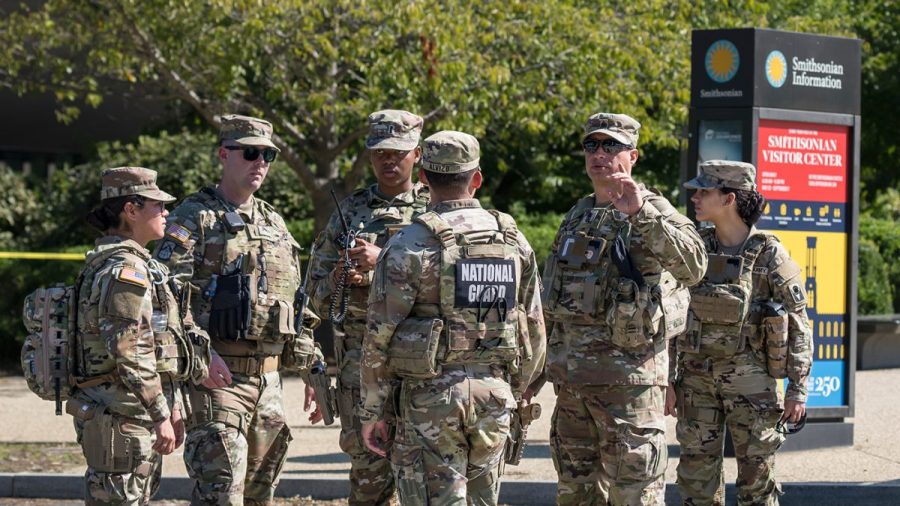
In this story
The quiet hum of a summer evening in Austin was shattered when William Clark, a 28-year-old man, was detained near the White House after reportedly making a provocative gesture toward a National Guard vehicle. It was a moment that might seem trivial to some—a finger gun, a fleeting act of misjudged humor or frustration—but for those present, it was enough to trigger a swift response from law enforcement. Clark’s actions, seemingly minor, raised serious concerns about security and community safety, especially in a city known for its vibrant, family-oriented neighborhoods and strong community bonds.
What Happened
According to reports, Clark was in a vehicle when he gestured with his finger in the shape of a gun toward a van carrying a uniformed guardsman. The incident occurred on a busy street just blocks from the White House, a site that remains under tight security due to ongoing national events. The guardsman, trained to recognize potential threats, immediately alerted authorities, prompting a rapid response that led to Clark’s arrest. While no weapons were involved, the gesture was deemed threatening enough to warrant detention and investigation.
Law enforcement officials emphasized that in today’s climate, even seemingly harmless gestures can be misinterpreted or escalate quickly. Clark was taken into custody and transported to a nearby station for questioning. The incident underscores the delicate balance authorities must maintain between respecting individual freedoms and ensuring public safety in one of the country’s most scrutinized areas.
Community Impact and Local Context
This event has resonated deeply within the Austin community, a city proud of its reputation for welcoming diversity and fostering a sense of security. While the incident took place in Washington D.C., it echoes the concerns of local residents who have watched with growing unease as security measures around national landmarks tighten. Austin, often seen as a haven for creative expression, progressive politics, and family values, faces its own challenges balancing personal freedoms with safety. The incident serves as a stark reminder that even acts perceived as harmless can be viewed through a lens of heightened security.
Austin’s community is characterized by its vibrant neighborhoods—from the historic districts around Hyde Park to the bustling East Austin arts scene. The city is home to many families, students, artists, and entrepreneurs who cherish the city’s reputation as a place of innovation and inclusion. Yet, recent events like this incident highlight the ongoing tension between maintaining open, welcoming spaces and safeguarding residents from potential threats. Local law enforcement agencies have increased outreach efforts, emphasizing community policing and mental health support to prevent misunderstandings and promote peaceful conflict resolution.
Who Is William Clark?
William Clark, the man detained in this incident, is a resident of Austin with a background that includes work in the tech sector and active involvement in local community organizations. Known among friends as a thoughtful individual, Clark has previously participated in neighborhood cleanups and local advocacy groups. According to those close to him, he has struggled with mental health issues in the past but has been actively seeking help through community programs and counseling services.
His family and friends describe him as someone who is passionate about his community and deeply committed to personal growth. The incident, however, has cast a shadow over his reputation and raised questions about how mental health crises can sometimes intersect with public safety concerns. Clark’s legal team has indicated they will be advocating for a thorough understanding of his mental health history and the circumstances surrounding his actions.
The Broader Mental Health Context
In recent years, Austin has seen a surge in mental health initiatives aimed at reducing stigma and providing accessible services for residents facing psychological challenges. Local organizations like the Austin Travis County Integral Care and the Mental Health America chapter work tirelessly to connect individuals with resources, aiming to prevent crises that could lead to dangerous misunderstandings or confrontations. The Clark incident underscores the importance of these efforts, highlighting the need for ongoing investment in mental health support and community-based intervention programs.
Community Reaction
Local residents and community leaders have expressed a mix of concern and understanding. “It’s a reminder that even small actions can have big consequences,” said Maria Lopez, a community organizer and mother of three. “We need to teach our children and ourselves to approach situations with calm and respect, especially when emotions run high.” Many are calling for increased community outreach programs that promote peaceful conflict resolution and foster stronger relationships between residents and law enforcement.
Faith and Family Values in Focus
At the heart of many reactions is a desire to uphold traditional values—marriage, family, and faith—that form the backbone of Austin’s identity. Religious leaders and community advocates emphasize the importance of genuine repentance and life change over superficial claims. They advocate for community initiatives that strengthen families and promote authentic faith, believing that these principles are vital to building resilient neighborhoods. “We must remember that our community’s strength comes from our shared commitment to love and forgiveness,” remarked Pastor James Carter of First Baptist Austin.
Many local churches and faith-based organizations are now planning outreach events aimed at fostering dialogue, understanding, and forgiveness. These efforts seek to create a more compassionate community that can better handle misunderstandings before they escalate into crises.
What’s Next for Clark and the Community
As the legal process unfolds, Clark faces charges that could carry serious consequences, depending on the intent and context of his actions. His case will likely involve assessments of mental health and intent, which could influence the severity of any legal penalties. Meanwhile, Austin’s community leaders are emphasizing unity and resilience, urging residents to remain calm and supportive during this uncertain time.
City officials and local organizations are also exploring ways to foster greater understanding and respect among residents, especially in areas close to national landmarks or sensitive zones. Initiatives include community workshops on conflict resolution, faith-based support programs, and neighborhood safety patrols. These efforts aim to build trust between law enforcement and residents, ensuring that future incidents are handled with compassion and care.
Moreover, the incident has prompted discussions about the role of social media and public discourse in shaping perceptions of safety. Community forums and town hall meetings are being scheduled to address concerns, dispel misinformation, and reinforce the importance of responsible communication. The goal is to create an environment where residents feel empowered to report concerns early and seek help without fear of judgment or retaliation.
Looking Ahead: Building a Resilient Community
As Austin continues its rapid growth—adding thousands of new residents each year—the city faces ongoing challenges related to diversity, inclusion, and security. This incident, while alarming, also offers an opportunity for the community to reaffirm its core values. Local leaders are calling for increased investment in mental health services, community engagement programs, and educational initiatives that promote understanding and respect.
Organizations like the Austin Justice Coalition and local faith groups are planning collaborative events to foster dialogue and healing. These efforts aim to bridge gaps between different community segments and create a more resilient, empathetic city. The incident near the White House, though distant from Austin physically, resonates locally as a reminder of the importance of community vigilance and compassion.
Ultimately, what happens next depends on how residents and officials work together. Continued dialogue, education, and support can help prevent similar incidents and ensure Austin remains a city where diverse voices are heard and valued. The community’s response to this event will shape its future, reinforcing the ideals of peace, respect, and unity that define Austin’s identity.