Community
Which races are advancing to runoffs in the Nov. 2026 general election?
By Lila Chen
Advertisement · Why this ad?
Jasmine Lee has spent the last 6 years reporting on high school and college sports in Central Texas. A graduate of UT Austin, she was previously with the Austin Chronicle and is passionate about showcasing the talent within the community.
More from Jasmine →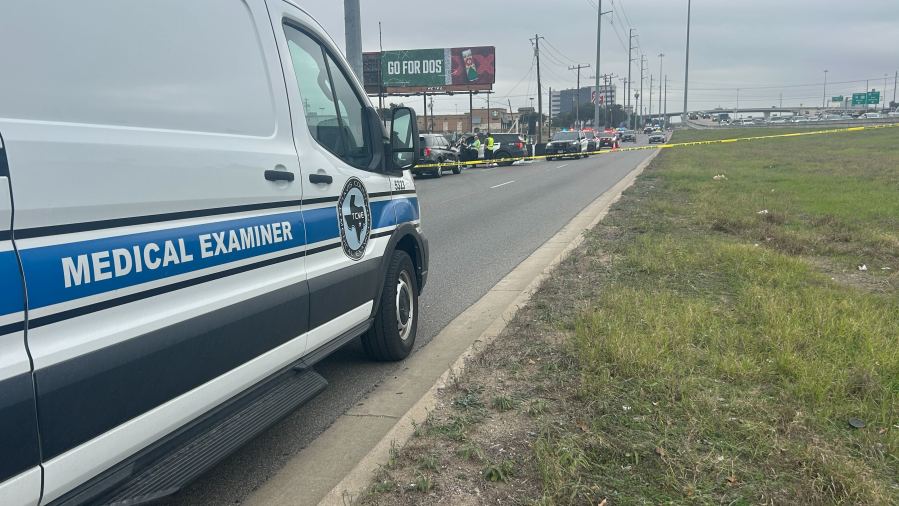
As the sun sets over the vibrant city of Austin, the streets come alive with the sounds of laughter, music, and the hum of traffic. Yet, beneath this lively atmosphere lies a stark reality that weighs heavily on the community—a growing number of fatal traffic accidents. In 2026, Austin has witnessed a troubling rise in traffic fatalities, prompting city officials and residents alike to confront the urgent need for change.
In the first half of 2026 alone, Austin has recorded over 30 traffic fatalities, a number that has alarmed both city officials and residents. The interactive map created by KXAN serves as a crucial tool for understanding where these tragic incidents have occurred. From bustling intersections to quiet residential streets, the map highlights the areas most affected by this crisis.
Each pin on the map represents a life lost, a family shattered, and a community left to mourn. The data reveals that the majority of these fatal crashes have taken place in areas with high traffic volumes, such as the downtown district and major thoroughfares like I-35 and Loop 1. This alarming trend underscores the pressing need for improved roadway safety measures in Austin.
City leaders are taking notice. Mayor Kirk Watson has expressed his deep concern regarding the rising number of fatalities. "Every life lost on our roads is a tragedy that impacts families and friends, and we must do everything we can to prevent further loss," Watson stated during a recent city council meeting. The mayor's sentiment resonates with many in the community, who are calling for actionable steps to enhance safety for drivers, cyclists, and pedestrians alike.
The local community has responded with a mix of grief and determination. Families affected by these tragic incidents are sharing their stories, seeking to raise awareness and push for change. One such family is the Johnsons, who lost their son, Michael, in a crash on South Congress Avenue. "He was just 24, full of life and dreams. We never imagined that a simple drive could end so tragically," said Sarah Johnson, Michael's mother.
The Johnsons are now advocates for safer streets, participating in local forums and sharing their story to highlight the importance of traffic safety. They, along with other families, are urging city officials to consider measures such as increased signage, better lighting, and more crosswalks in high-risk areas. Sarah has begun connecting with other bereaved families, forming a support network that not only helps them cope with their loss but also amplifies their call for change.
Community organizations are also stepping up to address this urgent issue. Groups like the Austin Transportation Department and the Texas Department of Transportation are collaborating to analyze traffic patterns and develop strategies aimed at reducing fatalities. Their efforts include educational campaigns that focus on safe driving practices, particularly among younger drivers who may be more prone to distractions.
One innovative approach to tackling this crisis is engaging the youth in the community. Local high schools are incorporating traffic safety education into their curricula, aiming to instill safe driving habits from a young age. Programs like “Drive Safe Austin” are gaining traction, providing students with real-world scenarios and the consequences of reckless driving.
As part of this initiative, students participate in workshops that simulate the dangers of distracted driving, allowing them to experience firsthand the potential outcomes of their choices. This proactive approach not only educates young drivers but also empowers them to become advocates for safety among their peers. Many students have taken to social media to share their experiences and insights, creating a ripple effect that encourages discussions about responsible driving.
In addition to educational programs, several grassroots initiatives have emerged in response to the rising fatalities. Local volunteers have organized neighborhood watch programs focused on traffic safety, where residents take turns monitoring busy intersections and reporting unsafe conditions to city officials. This community-driven approach fosters a sense of ownership and responsibility among residents, encouraging them to look out for one another.
Moreover, local businesses have begun to participate in these initiatives by offering incentives for safe driving. Restaurants and shops are providing discounts to customers who can demonstrate they have completed a traffic safety course or who pledge to drive responsibly. This not only promotes community engagement but also raises awareness about the importance of safe driving habits.
Looking ahead, the city of Austin is committed to implementing comprehensive measures to improve traffic safety. The city council has allocated $1 million towards enhancing roadway infrastructure, focusing on high-risk areas identified in the traffic fatality map. This funding will support the installation of additional traffic signals, improved street lighting, and the creation of more pedestrian-friendly zones.
Moreover, public forums are being organized to gather input from residents about their concerns and suggestions regarding traffic safety. These forums provide a platform for community members to voice their opinions and contribute to the development of effective solutions. The city is also planning to partner with local universities to conduct research on traffic safety, aiming to utilize data and expert insights to inform policy decisions.
In addition to infrastructure improvements, the city is exploring partnerships with local businesses to support safe driving initiatives. Businesses are encouraged to promote safe driving through their platforms, providing discounts to customers who pledge to drive responsibly. This community-driven approach aims to foster a culture of safety that extends beyond city limits.
Awareness campaigns are also on the rise, with local influencers and organizations using social media to spread the message of traffic safety. Hashtags like #SafeStreetsAustin and #DriveSmartATX are gaining traction, encouraging residents to share their experiences and advocate for change. These campaigns not only raise awareness but also create a sense of unity among residents who are passionate about making Austin's roads safer.
As the city continues to grapple with the impact of these tragic accidents, it is clear that a collective effort is needed to turn the tide. From families advocating for change to city officials prioritizing safety, the community is coming together to address the pressing issue of traffic fatalities. The involvement of local schools, businesses, and residents is crucial in fostering a culture of safety that will hopefully lead to a significant decrease in traffic fatalities.
For those seeking more information on traffic safety initiatives in Austin, resources are readily available. The Austin Transportation Department provides updates on ongoing projects and safety campaigns. Residents can also access the interactive traffic fatality map on KXAN's website to stay informed about high-risk areas in real-time.
Additionally, the Texas Department of Transportation offers valuable resources for safe driving practices, including tips for avoiding distractions and understanding the importance of seatbelt use. Community members are encouraged to take advantage of these resources to promote safety not only for themselves but also for their families and neighbors.
As Austin continues to grow and evolve, the commitment to ensuring safe streets remains a top priority. Together, the community can work towards a future where every driver, cyclist, and pedestrian can navigate the roads with confidence and security.
By Lila Chen
By Ethan Brooks
By Richard “Rick” Lane
By Richard “Rick” Lane