
Government
Hugo Gamboa re-elected as Progreso mayor
By Carlos Martinez
Advertisement · Why this ad?
Lila Chen is an arts reporter with 5 years of experience writing for local publications like The Austin Chronicle and KUT. She has a degree in Art History from the University of Texas at Austin and loves exploring the intersection of culture and creativity.
More from Lila →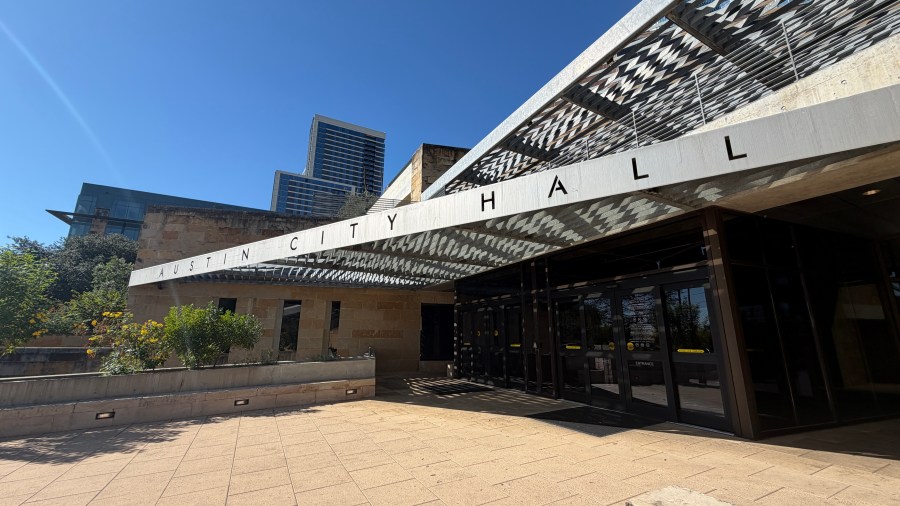
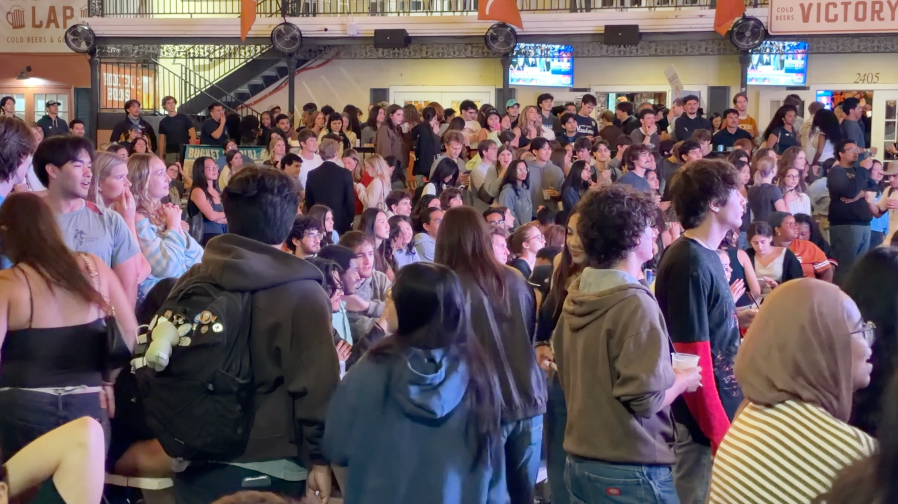
As the sun dipped below the horizon, casting a warm golden hue over the vibrant city of Austin, a palpable excitement filled the air. Residents gathered in homes, coffee shops, and community centers, their eyes glued to the screens, eagerly awaiting the results of the city council races that would shape their beloved community for the next four years. The stakes were high, and the anticipation was thick with hope and dreams for a better future.
On election night, Austin's five city council races unfolded with a blend of enthusiasm and tension. The council, which consists of ten districts, saw half of its seats contested this year, as is customary every two years. Each council member serves a four-year term, and the decisions made during these elections will reverberate through the community for years to come. Voter turnout was robust, reflecting the deep investment that Austinites have in their local governance.
The results showcased a diverse array of candidates, each bringing their unique perspectives and solutions to the table. From addressing the pressing issues of housing affordability to enhancing public transportation, the newly elected officials are poised to tackle the myriad challenges facing Austin. The election results not only signify a shift in leadership but also a renewed commitment to community engagement and responsiveness.
The reactions from the community were as varied as the candidates themselves. Many residents expressed relief and optimism, feeling that the newly elected council members would prioritize the needs of the community. "We need leaders who understand the struggles we face daily, from rising rents to inadequate public services," said Maria Gonzalez, a long-time resident of Austin. Her sentiments echoed through the crowd as others nodded in agreement, hopeful for a brighter future.
In a city known for its diverse culture, the election results reflect a microcosm of Austin itself. Candidates included activists, educators, and business owners, each bringing their lived experiences into the political arena. This diversity is crucial as it ensures that a wide range of voices and perspectives are represented in city governance.
Among the voices of change was the newly elected council member for District 3, David Tran, whose platform focused on sustainable development and affordable housing. "I am honored to represent my community and will work tirelessly to ensure that every resident has a voice in our city’s future," Tran stated in his victory speech. His commitment resonated deeply with those who have felt unheard in the political process.
Tran's victory is particularly significant in a district that has seen rapid gentrification, pushing long-time residents out of their homes. His focus on sustainable solutions aims to balance growth with the preservation of community integrity. Residents like Sarah Kim, a local artist and activist, expressed hope that Tran's leadership could lead to initiatives that protect affordability while promoting development. "We need someone who understands the heart of our neighborhoods, not just the economics of development," Kim remarked.
In contrast, some residents expressed concern over the potential for divisiveness among the council members. With such a diverse group, the challenge will be finding common ground on critical issues. However, many remain hopeful that the shared love for Austin will inspire collaboration rather than conflict.
As the dust settles from the elections, the newly elected council members are preparing to take their seats and dive into the pressing issues that await them. The first order of business will be the upcoming council meeting, where they will outline their agendas and begin to set priorities for their terms. This meeting will be crucial, as it will set the tone for how effectively they can work together to address the challenges ahead.
The issues on the table are substantial. Housing affordability remains at the forefront of discussions, with many families struggling to find suitable living conditions in a city known for its vibrant culture and booming economy. Additionally, public transportation improvements, environmental sustainability, and community safety will be pivotal topics that the new council must tackle head-on.
To address these challenges, the council will need to engage with various stakeholders, including local businesses, non-profits, and community organizations. Collaboration with these groups can help develop comprehensive strategies that reflect the needs of all Austinites. For instance, partnerships with organizations focused on affordable housing can provide innovative solutions to the housing crisis.
Engagement with the community will be vital for the new council members. They must foster open lines of communication with residents to ensure that the voices of all Austinites are heard. Town hall meetings, community forums, and social media outreach are just a few avenues that can be utilized to bridge the gap between the council and the constituents.
Moreover, the council’s commitment to transparency will be essential in building trust with the community. By sharing their decision-making processes and actively seeking input from residents, the council can cultivate a sense of ownership among the populace, making them feel like integral parts of the city's governance.
Local advocacy groups, such as the Austin Justice Coalition and the Coalition for Affordable Housing, are poised to play a significant role in this engagement process. Their efforts will be crucial in holding elected officials accountable and ensuring that the needs of marginalized communities are not overlooked.
The next four years hold immense potential for Austin, as the newly elected city council members embark on their journey of service. Their success will hinge on their ability to collaborate, listen, and respond to the needs of their constituents. As the community rallies around these leaders, there is a shared hope that together, they can navigate the complexities of urban governance and foster a city that is inclusive, sustainable, and thriving.
As Austinites reflect on the past elections, they are reminded of the power of civic engagement and the importance of participating in local governance. The future of Austin is not solely in the hands of elected officials; it lies within the collective efforts of its residents to advocate for their community, ensuring that Austin remains a place where dreams can flourish and families can thrive.
In the coming months, the council's ability to address these pressing issues will be closely watched. Residents are eager to see how their new representatives will balance the demands of growth with the needs of the community. As new policies are proposed and debated, the active involvement of citizens will be crucial in shaping the future of Austin.
By Carlos Martinez

By Carlos Martinez
By Dylan Carter

By Victor Ramirez