
Community
Feeling overwhelmed from campaigns trying to win your vote? Here are some tips
By Richard “Rick” Lane
Advertisement · Why this ad?
Rachel has spent over 15 years in journalism, starting her career at the Austin American-Statesman before moving to various roles in Dallas. A graduate of the University of Texas at Austin, she has a knack for uncovering the stories that define local communities and fostering engagement through her comprehensive reporting. Rachel is passionate about empowering voices often left unheard.
More from Rachel →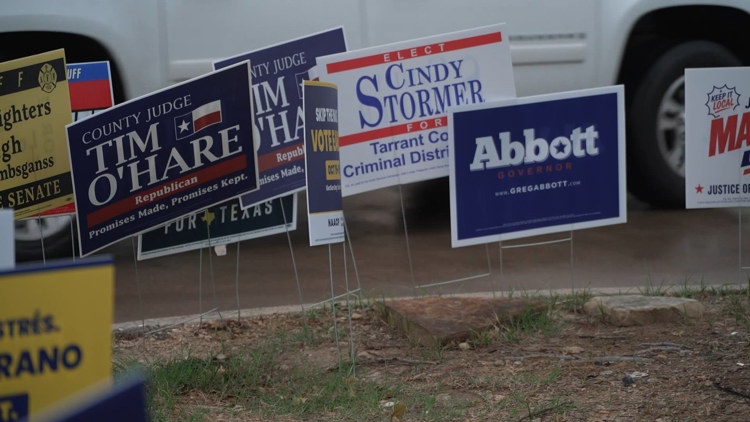
As the sun sets over Tarrant County, casting a golden hue across Fort Worth’s skyline, the hum of anticipation fills the air. Families gather at local parks, children laughing and playing, while parents discuss the upcoming midterm elections. This scene, a snapshot of community life, is a reminder of the stakes involved as Tarrant County emerges as a pivotal battleground in Texas’ political landscape. With shifting voting patterns and increasing diversity, the midterm elections promise to be a defining moment for both parties.
Tarrant County has long been a microcosm of Texas itself, embodying the state’s rich diversity and evolving demographics. According to recent data, the county has seen significant shifts in its voting patterns over the last few election cycles. Once a reliable Republican stronghold, Tarrant County has become increasingly competitive, with both parties recognizing the importance of securing votes in this critical region.
In the 2020 presidential election, the county flipped from its traditional Republican leanings, with many residents opting for Democratic candidates. This change highlights a growing trend among younger voters and minority communities who are eager to make their voices heard. As the midterms approach, both the Democratic and Republican parties are ramping up their efforts to engage these vital constituencies.
The demographic changes are not just numbers; they reflect the stories of families who have settled in the area. For instance, the influx of Latino and African American communities has brought new perspectives and priorities to the political discourse. Local organizations, such as the League of United Latin American Citizens (LULAC), are actively working to mobilize these communities, ensuring their voices are not only heard but also influential in shaping the elections.
With the midterm elections just around the corner, local races in Tarrant County are heating up. Candidates from both parties are making their rounds, attending community events and town halls to connect with voters. The stakes are high, as these local elections can significantly influence the broader political landscape in Texas.
One notable race is for the Tarrant County Judge position, where incumbent Republican Glen Whitley faces a formidable challenge from Democratic challenger Deborah Peoples. This race is emblematic of the larger battle for control in the county, with both candidates emphasizing their commitment to addressing the needs of residents, particularly in areas like education, public safety, and infrastructure.
Deborah Peoples, who has served on the Fort Worth City Council, is known for her grassroots approach and has garnered support from various community organizations. Her campaign focuses not only on traditional Democratic issues but also on building coalitions that include moderate Republicans and independents who are disillusioned with the current political climate. “This isn’t just about party lines; it’s about the people of Tarrant County and what we can achieve together,” she stated at a recent rally.
Community engagement has never been more crucial in Tarrant County. Organizations and local leaders are mobilizing to ensure that residents are informed and prepared to vote. Initiatives aimed at increasing voter registration and turnout are underway, with local nonprofits hosting events to educate citizens about the voting process.
One such initiative is led by the Tarrant County Elections Office, which has launched a campaign to reach underrepresented communities. By providing resources in multiple languages and hosting informational sessions, they aim to break down barriers that may prevent individuals from exercising their right to vote.
Moreover, local schools have become venues for voter registration drives, engaging students and parents alike. This effort not only emphasizes the importance of civic engagement but also instills a sense of responsibility in younger generations. “Our students are the future leaders of this community, and we want to empower them to make a difference,” said Principal Laura Martinez of a local high school.
The voices of Tarrant County residents are as diverse as the county itself. At a recent town hall meeting, local residents expressed their concerns and hopes for the future. “We need leaders who will listen to us and understand our needs,” said Maria Gonzalez, a mother of three who has lived in Fort Worth for over a decade. “It’s about our children’s future and ensuring they have the opportunities they deserve.”
Another resident, James Thompson, a lifelong Tarrant County resident, echoed similar sentiments. “I’ve seen this county change over the years, and I believe it’s time for us to have representatives who reflect our community’s values and diversity,” he said. These voices are crucial in shaping the narrative of the upcoming elections and highlight the importance of representation in local government.
Additionally, community leaders are emphasizing the significance of mental health and social services in their campaign platforms. Local activist Sarah Lee stated, “We need to ensure that our communities have access to mental health resources, especially in these challenging times. It’s not just about voting; it’s about creating a healthy environment for our families.”
Education is a central theme in this election cycle, with candidates focusing on policies that impact schools and families. The Fort Worth Independent School District has been a focal point for discussions on funding, curriculum, and school safety. Parents and educators alike are advocating for increased investment in public education to ensure that all children have access to quality learning environments.
Local candidates have been actively engaging with the community to gather input on education-related issues. “We need to prioritize our children’s education,” said Deborah Peoples during a recent campaign event. “Investing in our schools is investing in our future.” This sentiment resonates with many families who are looking for leaders who will advocate for their children’s educational needs.
Furthermore, educators are also advocating for policies that address teacher pay and retention, recognizing that the quality of education is directly tied to the well-being of teachers. “If we want the best for our kids, we need to support those who teach them,” said Fort Worth teacher Mark Johnson. “It’s time our leaders prioritize education as a fundamental right, not just a budget line.”
As Tarrant County gears up for the midterm elections, the energy and enthusiasm among residents are palpable. Both parties are intensifying their outreach efforts, recognizing that every vote will matter in this increasingly competitive landscape. The upcoming elections are not just about political power; they represent the hopes and dreams of families throughout the county.
As the community rallies together, it’s clear that Tarrant County will play a significant role in shaping the future of Texas politics. With a focus on engagement, education, and representation, residents are poised to make their voices heard. The outcome of these elections will undoubtedly have lasting implications for the community, as families seek to build a brighter future together.
Local leaders are already discussing potential post-election collaborations, regardless of the outcomes, to ensure that community needs continue to be met. “We may have differences in our political views, but at the end of the day, we all want what’s best for Tarrant County,” said community organizer Lisa Tran. “Let’s work together to move our county forward.”
By Richard “Rick” Lane

By Richard “Rick” Lane

By Richard “Rick” Lane

By James “Jimmy” Carter