Community
Election Day deals: Where to find free food and discounts after the polls
By Richard “Rick” Lane
Advertisement · Why this ad?
After earning his MBA from Southern Methodist University, Tommy spent a decade as a business reporter for the Dallas Morning News. His expertise lies in analyzing economic trends and their impacts on local businesses, making complex subjects understandable for everyday readers.
More from Tommy →
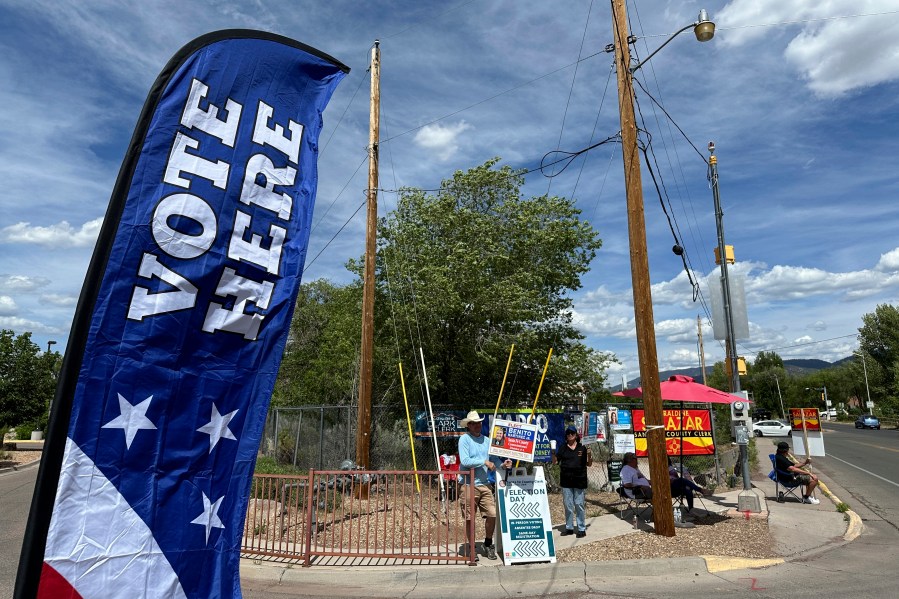
As the sun dipped below the horizon on a crisp November evening, families gathered around their dining tables, sharing meals and discussing the future of their community. For many, the midterm elections are not just a series of political events; they represent a chance for families to shape their lives and futures. In Texas, the stakes are particularly high, with key races that could impact everything from local schools to healthcare access. The 2026 Texas Elections Results Special, live on WFAA and streaming platforms, is set to provide real-time updates on these critical races.
The midterm elections in Texas are always a significant event, and the 2026 elections are no exception. Voters across the state cast their ballots on various issues, including education funding, healthcare policies, and local governance. With the potential for shifts in power within the Texas Legislature, the outcomes of these races could have long-lasting implications for families and communities. According to the Texas Secretary of State, voter turnout was notably high this year, reflecting a growing engagement among residents. Early voting statistics indicated that over 7 million Texans participated, a 15% increase from the previous midterm elections.
Election night brought a flurry of activity, with results streaming in from across the state. Key races included the battle for the Texas House, where several seats were hotly contested. The results could determine the legislative agenda for the next two years, impacting everything from tax policies to education reform. The Texas Senate also saw competitive races, with incumbents facing challenges from both sides of the political spectrum. As families gathered to watch the results unfold, the tension in the air was palpable.
As the results began to trickle in, communities across Texas reacted with a mix of anticipation and anxiety. In suburban areas like Frisco and McKinney, where families are deeply invested in local school board decisions, the outcomes of these elections were particularly significant. Many parents expressed their hopes for candidates who prioritize education funding and family-friendly policies. Local resident Maria Gonzalez shared her thoughts, stating, "We need leaders who understand our values and will fight for our children’s future. This election is about more than just politics; it’s about our families and our community."
In urban centers like Dallas and Houston, the conversation shifted to healthcare access and public safety. Voter Angela Smith emphasized the importance of electing officials who prioritize affordable healthcare, stating, "Our families deserve access to quality healthcare without breaking the bank. This election could change everything for us." The diverse voices of Texas voters highlight the unique challenges faced by different communities, underscoring the importance of local engagement in the electoral process.
The midterm elections in Texas were marked by several key issues that resonated with voters. Education funding remained a top concern, especially in areas where families rely heavily on public schools. According to a recent survey by the Texas Education Agency, nearly 70% of parents expressed a desire for increased funding for public education. Candidates who championed education reform saw significant support, reflecting a community-wide commitment to investing in the future of Texas's children.
Healthcare access was another critical issue, with many voters advocating for expanded Medicaid options and lower prescription drug costs. The Texas Medical Association reported that approximately 4 million Texans remain uninsured, making healthcare a pressing concern for families across the state. As candidates addressed these issues in their campaigns, it became clear that voters were seeking solutions that would directly impact their daily lives.
As the dust settles from the 2026 midterm elections, Texas families are eager to see how the results will shape their lives in the coming years. With new leadership potentially emerging in the Texas Legislature, there is a sense of cautious optimism among residents. Many are hopeful that elected officials will prioritize family values and community needs in their decision-making processes.
Looking ahead, community organizations are gearing up to hold elected officials accountable. Groups like the Texas Parent Teacher Association and local advocacy organizations are already planning initiatives to ensure that the voices of families continue to be heard. As families navigate the post-election landscape, their commitment to engagement and advocacy will be essential in shaping the future of Texas.
For those interested in staying informed about the ongoing developments in Texas politics, several resources are available. The Texas Secretary of State provides up-to-date information on election results and voter registration. Additionally, local news outlets like WFAA offer comprehensive coverage of key races and issues impacting the community.
Community members can also engage with local advocacy groups, such as Texas PTA and Texas Impact, which focus on education and social justice initiatives. By participating in these organizations, families can ensure that their voices are heard and that their needs are addressed in future legislative sessions.
The midterm elections serve as a powerful reminder of the importance of civic engagement in shaping the future of communities across Texas. In neighborhoods where voter turnout was particularly high, residents expressed a renewed sense of empowerment. For instance, in the historically underrepresented areas of South Dallas, community leaders organized grassroots campaigns to encourage participation among residents who often felt their voices were drowned out in larger political conversations. Local activist James Lee noted, "When we come together as a community, we can make a difference. This election showed us that our votes matter, and we will continue to fight for our rights and needs."
Furthermore, the engagement of younger voters also played a pivotal role in this election cycle. Many high school and college students took to social media to advocate for issues they care about, such as climate change and educational reform. Their enthusiasm was evident in the long lines at polling places, where young voters stood side by side with their parents and grandparents. This intergenerational participation not only reflects a commitment to civic duty but also fosters a culture of political awareness among future generations.
As Texas families digest the results of the midterm elections, the focus now shifts to what happens next. Elected officials will soon begin drafting legislation that could address the concerns raised during the campaigns. With many families eager to see tangible changes, advocacy groups will be closely monitoring these developments. The Texas Parent Teacher Association, for example, plans to host town hall meetings in the coming months, allowing parents to voice their concerns directly to newly elected representatives.
Moreover, community forums are expected to spring up across the state as residents seek to engage in dialogue about the future of their neighborhoods. These forums will not only provide a platform for discussing pressing issues but also serve as a reminder that civic engagement does not end on election day. As families continue to advocate for their needs, the collective voice of the community will be essential in shaping policy decisions that affect their daily lives.
In conclusion, the 2026 midterm elections in Texas have underscored the importance of civic engagement and the impact of local leadership on families and communities. As residents reflect on the results, their commitment to advocacy and involvement will be crucial in shaping a brighter future for Texas.
By Richard “Rick” Lane

By Richard “Rick” Lane

By Richard “Rick” Lane

By Richard “Rick” Lane